

LEGO® Therapy in London
Building Social Skills Through Play
Looking for a structured, evidence-informed way to help your child develop social communication skills?
LEGO® Therapy at NeuroKind London supports children and young people to build confidence, teamwork, emotional regulation and problem-solving skills — all through collaborative LEGO® play.
Designed especially for autistic children and those with social communication differences, our sessions are structured, supportive, and engaging.
What Is LEGO® Therapy?
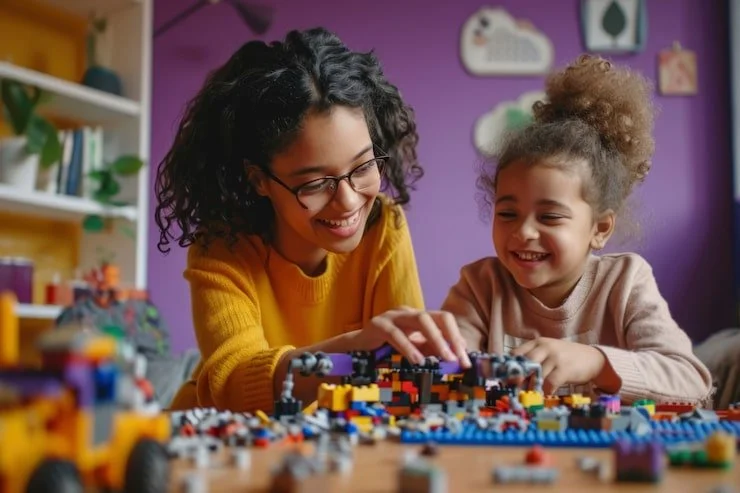
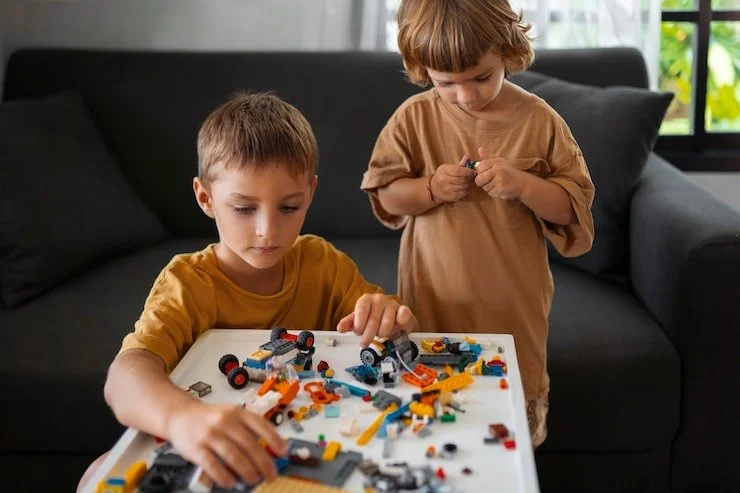
LEGO® Therapy is a small-group social skills intervention where children work together to build a model, each taking on a specific role:
Engineer – gives clear instructions
Builder – follows instructions carefully
Supplier – finds and organises pieces
Children must communicate, listen, negotiate and cooperate to complete the build successfully.
This structured format naturally encourages:
Turn-taking
Active listening
Flexible thinking
Managing frustration
Problem solving
Perspective taking


Who We Support
Our LEGO® Therapy sessions are suitable for children aged 6–12 who may:
Have Autism Spectrum Condition (ASC)
Experience social communication difficulties
Have ADHD or attention challenges
Struggle with confidence or anxiety
Find it difficult to make or maintain friendships
Benefit from structured social interaction
We welcome referrals from:
Parents and carers
Mainstream and specialist schools
SENCOs and pastoral teams
Local authorities and professionals
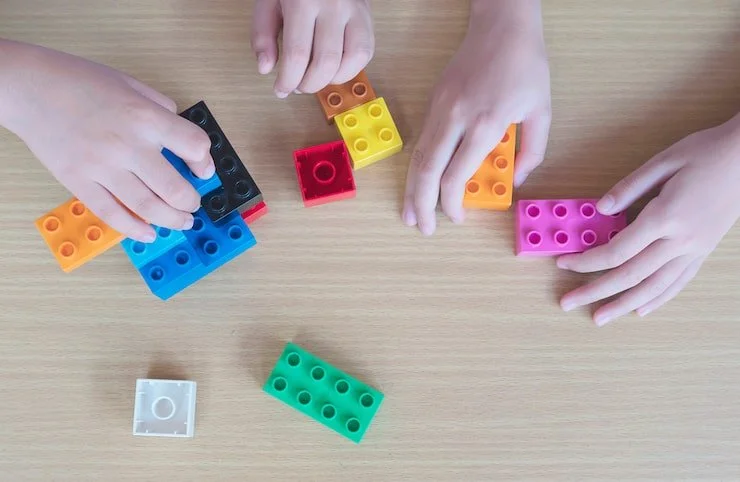
LEGO® Therapy helps children to:
Develop Social Skills
Sharing and turn-taking
Working as part of a team
Understanding social rules
Building friendships
Improve Communication
Giving and receiving instructions
Asking for help appropriately
Expressing ideas and needs
Active listening
Build Confidence
Experiencing success in a supportive environment
Feeling valued within a group
Developing independence and self-esteem
Strengthen Emotional Regulation
Managing frustration
Coping with mistakes
Developing patience and resilience
Benefits for Children
“We wish all parents knew about the amazing benefits of Lego Therapy”
-Parent of TP age 8
“I like playing with LEGO with my new friends. It makes me feel really happy”
-JG age 9
“My child loves his Lego Therapy sessions! They are his highlight of his week.”
-Parent of DR age 10
Benefits for Schools
Partnering with NeuroKind London can help schools:
Support pupils with social communication needs
Improve peer interaction and inclusion
Enhance emotional wellbeing
Provide targeted small-group intervention
Meet SEND and EHCP social communication outcomes
Reduce playground and classroom social difficulties
We can offer:
On-site school programmes
Short-term intervention blocks
Ongoing group support
Progress feedback and outcome summaries
Safeguarding & Professional Standards
The safety and wellbeing of every child is our highest priority.
NeuroKind London practitioners:
Hold current Enhanced DBS certification
Have safeguarding training
Follow UK child protection guidance
Maintain clear professional boundaries
Deliver sessions in safe, supervised environments
Parents can feel confident that sessions are delivered with the highest level of care and responsibility.
The Outcomes Parents Often Notice
Parents and schools frequently report improvements in:
Confidence in group settings
Ability to initiate conversation
Emotional regulation during challenges
Friendship skills
Willingness to try new activities
Most importantly — children enjoy attending.
Session Details
Small group format (2/3 children per group)
Sessions last 60 minutes
Structured roles each week (Builder, Supplier and Engineer)
Consistent routine for predictability
Opportunities to rotate roles and build new skills
What Makes NeuroKind London Different?
At NeuroKind London, sessions are:
✔ Led by trained professionals
✔ Structured but child-centred
✔ Small group based for safety and success
✔ Focused on real-life social skill development
✔ Delivered in a calm, supportive environment
We prioritise psychological safety, positive reinforcement, and celebrating each child’s strengths.

Our Enquiry Form
Before submitting an enquiry for LEGO® Therapy, please take a moment to read our LEGO® Therapy Terms and Conditions / Safeguarding Statement.
These outline important information regarding session structure, cancellations, parental responsibilities, safeguarding, and general expectations.

Book a Session
If you’d like to find out whether LEGO® Therapy is suitable for your child or school setting, we’d love to hear from you.
Contact NeuroKind London today to enquire or book a discovery call.
Mobile: 07950163692
Email: info@neurokind.support
Location: West London
LEGO® Therapy FAQs – NeuroKind London

What is LEGO® Therapy and how does it help children?
LEGO® Therapy is a structured social skills intervention where children work together to build LEGO® models while taking on specific communication roles. It helps children develop social communication skills, turn-taking, teamwork, emotional regulation, and problem-solving in a fun and supportive environment.
Is LEGO® Therapy good for autistic children?
Yes. LEGO® Therapy is widely used to support autistic children with social communication, collaboration, and friendship skills. It provides a predictable structure, clear roles, and guided interaction, which many autistic children find reassuring and motivating.
Does my child need an autism diagnosis to attend LEGO® Therapy?
No formal diagnosis is required. LEGO® Therapy can support children with autism, ADHD, social communication difficulties, anxiety, or children who find making and keeping friends challenging.
What happens in a LEGO® Therapy session?
In each session, children work in a small group and take on rotating roles such as Engineer, Builder, and Supplier. They must communicate clearly, listen carefully, and cooperate to complete the build successfully. A trained facilitator supports social interaction and emotional regulation throughout.
What age is LEGO® Therapy suitable for?
LEGO® Therapy is typically suitable for primary-aged children (around 5–11 years), although groups may be adapted depending on developmental stage and individual needs.
How many children are in a LEGO® Therapy group?
Groups are kept small to ensure each child can actively participate and receive appropriate support. Small group sizes help create a safe, structured learning environment.
How does LEGO® Therapy improve social skills?
LEGO® Therapy improves social skills by creating structured opportunities for:
Turn-taking
Sharing and negotiation
Listening and following instructions
Managing frustration
Flexible thinking
Problem-solving
These skills transfer into school, home, and peer relationships.
How long does it take to see results from LEGO® Therapy?
Progress varies depending on the child. Some families notice increased confidence and improved communication within a few sessions, while others benefit from ongoing support to consolidate skills.
Where can I find LEGO® Therapy in London?
NeuroKind London offers structured LEGO® Therapy sessions in a supportive, professional setting. Contact us to enquire about availability or book a discovery call.
Looking for LEGO® Therapy in London?
If you’re searching for structured social skills support for your child, get in touch with NeuroKind London today to discuss how LEGO® Therapy can help.